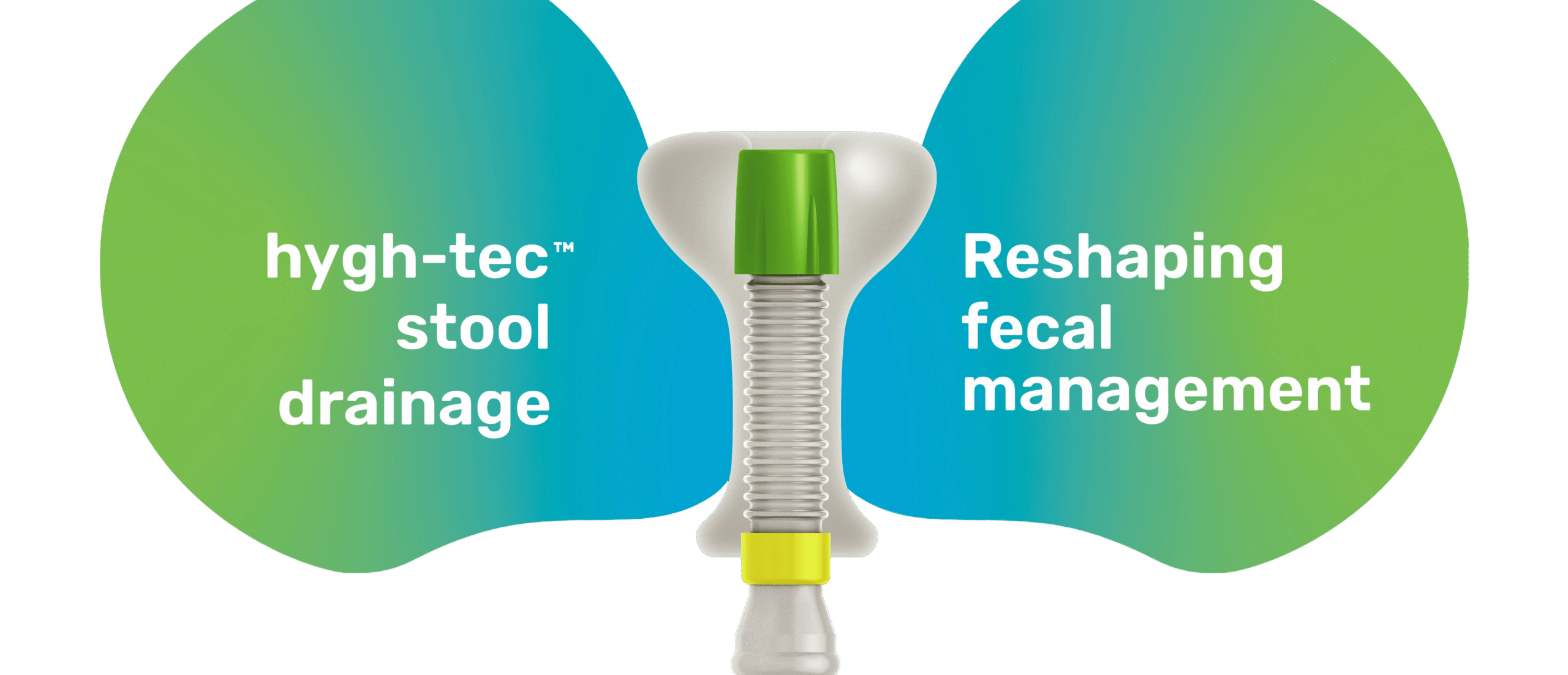
hygh-tec® stool drainage

Performance,
the way it should be

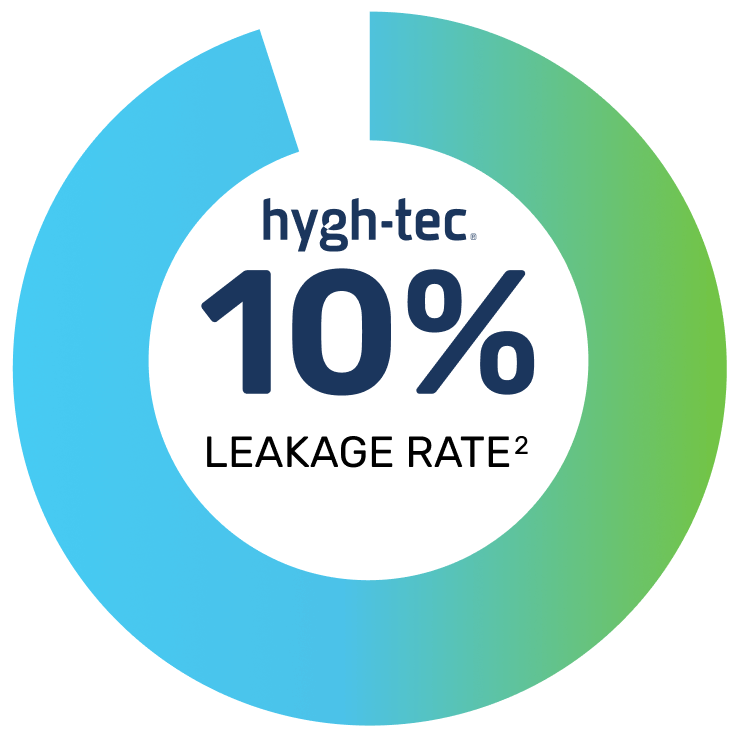
The hygh-tec stool drainage system’s unique design and materials meaningfully improve fecal management performance.1 Because reducing the leakage rate and the need for reactive cleaning makes fecal management cost effective and a respectful experience for everyone.2

“Code Brown.”
No more.

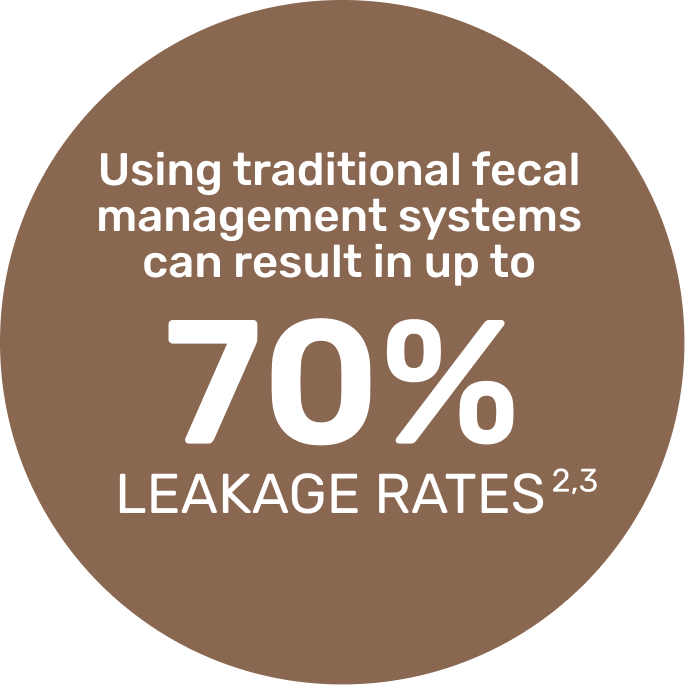
When an Fecal Management System leaks, it triggers a problematic cascade of increased burden, risk, and cost. Reducing the leakage rate and the need for reactive cleaning makes fecal management cost effective and a respective experience for everyone.2

  • Reduces staff burden, improves workflow efficiency4
  • Reduces exposure to fecal incontinence and lowers the risk of infection and skin injury5-7
  • Fecal contamination is associated with an increased cost of care and supplies8
  • Elevates patient comfort and dignity4

Introducing
hygh-tec

See how next-generation technology is transforming fecal management in intensive care.

Better care, reduced total cost

From minimizing the risk of cross contamination and potential rectal complications, to reducing expenses for linens, cleaning supplies and PPE, and the burden of reactive nursing time. hygh-tec enables a higher standard of care for patients with fecal incontinence, at a reduced total cost of managing fecal incontinence.

Can save
$245 per patient
per day
Can save over
2 hours of nursing
time per day
Can save
$200k per hospital
per year
amb-technology-table1

PUR + Air
The hygh-tec
difference

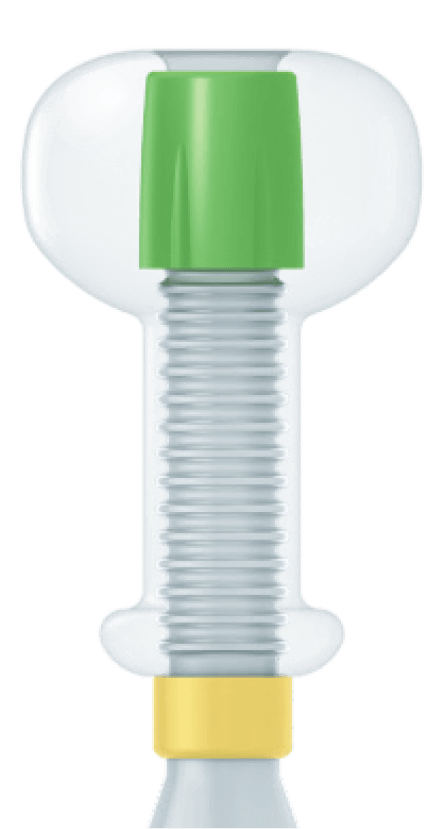
The hygh-tec system’s unique design and materials meaningfully improves FMS performance.1  The air filled, dumbbell shaped balloon is lighter (approx  8g) than water filled silicone devices (Approx 45g).1 The hygh-tec shape and design allows for a dynamic, self-adjusting sealing mechanism.9

Control the spread, reduce the stay8,16

By minimizing fecal contact with patient skin and any open wounds, hygh-tec reduces the risk of infections and extended hospital stays.
  • Fewer skin breakdowns8,16
  • Less risk of cross-contamination8,16
  • Improved Medicare-mandated metrics: HAPI, HAI and HAC5-7

Less reactive cleanup, more time for care12

hygh-tec enables your staff to spend less effort on custodial tasks and more on core patient care. It’s a better use of staff resources improving efficiency and quality of care.
  • Fewer unplanned cleaning episodes17
  • Lower expenses for linens and cleaning supplies17
  • Improved staff morale and efficiency17
amb-home-dignity

Dignity matters

The value of preserving patients dignity in their most vulnerable time cant be quantified. By enabling that added measure of respect, both for staff and patients, the hygh-tec system can have a real impact on patient comfort, experience, and employee workflow through reduced leakage rates.3,10

References:
1. Sage Products LLC. Data on File. 2025.

2. Gutting, T., Brobeil, A., Strach, L., Stricker, E., Boxberger, M., Trierweiler-Hauke, B., Heine, C., Michl, P., Luntz, S., Robert, B., Göbel, F., Weis, C., & Pfützner, A. (2025). Sealing efficiency and safety of a polyurethane-based fecal management system in intensive care-Results from a real-world study. Australian critical care: official journal of the Confederation of Australian Critical Care Nurses, 38(5), 101296. https://doi.org/10.1016/j.aucc.2025.101296

3. Sammon, M. A., Montague, M., Frame, F., Guzman, D., Bena, J. F., Palascak, A., & Albert, N. M. (2015). Randomized Controlled Study of the Effects of 2 Fecal Management Systems on Incidence of Anal Erosion. Journal of Wound, Ostomy, and Continence Nursing, 42(3), 279–286. https://doi.org/10.1097/WON.0000000000000128

4. Gutting, T., Brobeil, A., Strach, L., Stricker, E., Boxberger, M., Trierweiler-Hauke, B., Heine, C., Michl, P., Luntz, S., Robert, B., Göbel, F., Weis, C., & Pfützner, A. (2025). Sealing efficiency and safety of a polyurethane-based fecal management system in intensive care-Results from a real-world study. Australian critical care: official journal of the Confederation of Australian Critical Care Nurses, 38(5), 101296. https://doi.org/10.1016/j.aucc.2025.101296

4. Ousey K, Gillibrand W, Lui S. Eff ective management of acute faecal incontinence in hospital: review of continence management systems. Frontline Gastroenterol. 2010;1(2):94-97. doi:10.1136/fg.2009.001206

5. Peart J, Richardson A. Developing a critical care bowel management assessment tool to manage faecal incontinence. Nurs Crit Care. 2015;20(1):34-40. doi:10.1111/nicc.12101

6. Coyer F, Campbell J. Incontinence-associated dermatitis in the critically ill patient: an intensive care perspective. Nurs Crit Care. 2018;23(4):198-206. doi:10.1111/nicc.12331

7. Zhou L, Zhang W, Wang L. The eff ectiveness of faecal collection devices in preventing moderate to severe incontinence-associated dermatitis: A systematic review and network meta-analysis. NursCrit Care. 2024;29(6):1744-1750. doi:10.1111/nicc.13023

8. Kowal-Vem A, Poulakidas S, Barnett B, et al. Fecal containment in bedridden patients: economic impact of 2 commercial bowel catheter systems. Am J Crit Care. 2009;18(3 Suppl):. doi:10.4037/ajcc2009521

9. K22140 - U.S. Food and Drug Administration. (2023, February 9). 510(k) Premarket Notifi cation K221400: hygh-tec drainage.

10. Sheth H, Rao S, Karthik V. Clinical and Health Economic Evaluation of a Novel Device for Fecal Management in Bedridden Patients. Indian J Crit Care Med. 2023;27(10):759-765. doi:10.5005/jpjournals-10071-24544

16. Whiteley I, Sinclair G, Lyons AM, Riccardi R. A retrospective review of outcomes using a fecal management system in acute care patients. Ostomy Wound Manage. 2014;60(12):37-43.

17. Sheth H, Rao S, Karthik V. Clinical and Health Economic Evaluation of a Novel Device for Fecal Management in Bedridden Patients. Indian J Crit Care Med. 2023;27(10):759-765. doi:10.5005/jp-journals-10071-24544.